Rod
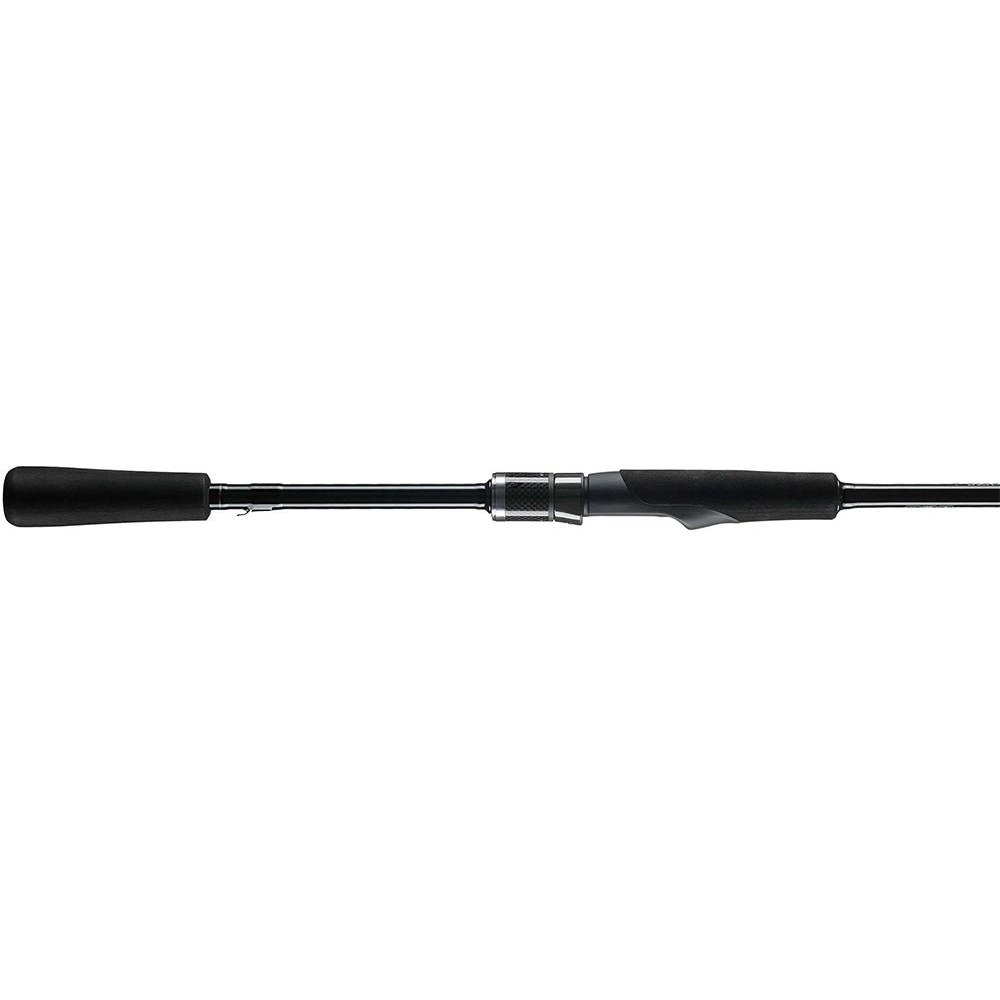
Daiwa Tatula XT Spinning RodTatula XT spinning series
Buy at Bass Pro Shops
Checkout happens on the retailer’s website.
Technique guide
Learn versatile worm and creature-bait rigs for fishing through open water and cover.
General fishing guidance; TJ’s personal approach, gear and technique-specific photos will be added after his review.
Where it fits
No technique works every time, and catches are never guaranteed.
How to fish it
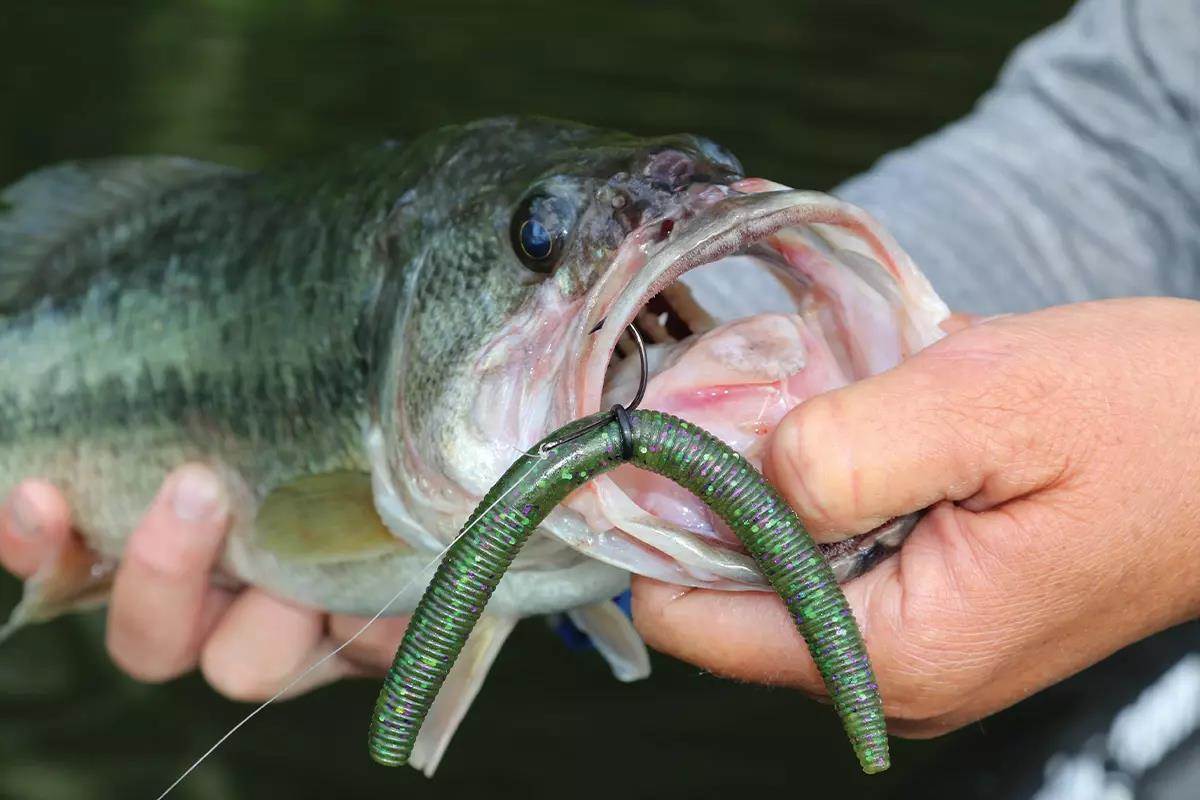
Texas-rig a plastic weedlessly around cover, wacky-rig a stickbait in relatively open water, or fish it weightless for a slower fall. Select a hook and optional weight that fit the bait and cover.
Keep a Texas-rigged bait straight with the hook point tucked or lightly exposed as cover allows. For a wacky rig, place the hook around the middle of a suitable stickbait.
Aim beside cover or across an opening. Let the bait fall on controlled slack and watch where the line enters the water; a sideways movement can signal a bite.
Lift, hop or slowly drag a weighted rig, then pause. With a weightless or wacky bait, let the fall do much of the work before gently moving it again.
A bite may feel like a tick, extra weight or a moving line. Reel up slack before lifting into the fish; adjust your hookset to the hook and line you are using.
Slide the bait back into place after each cast or fish. Replace torn plastic and inspect the line near the hook for abrasion.
The gear you need
A starting checklist: rod and reel, line, worm, stickbait or creature bait, hook, weight when needed. Match tackle to the bait, conditions and local regulations.
Rods, reels, line, baits and weights TJ picked for this technique. Pick one from each group.
Tatula XT spinning series
Checkout happens on the retailer’s website.
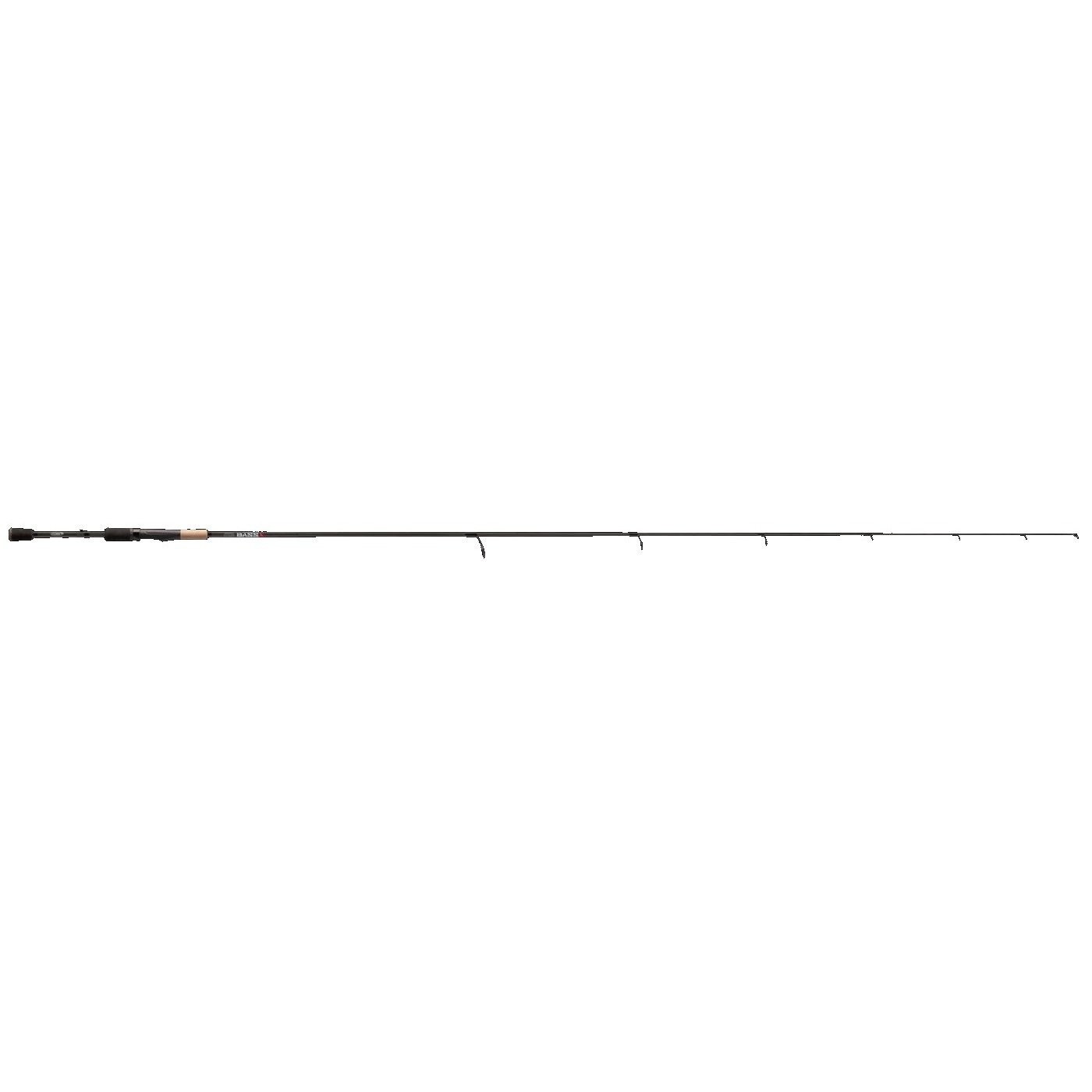
Bass X spinning series
Checkout happens on the retailer’s website.
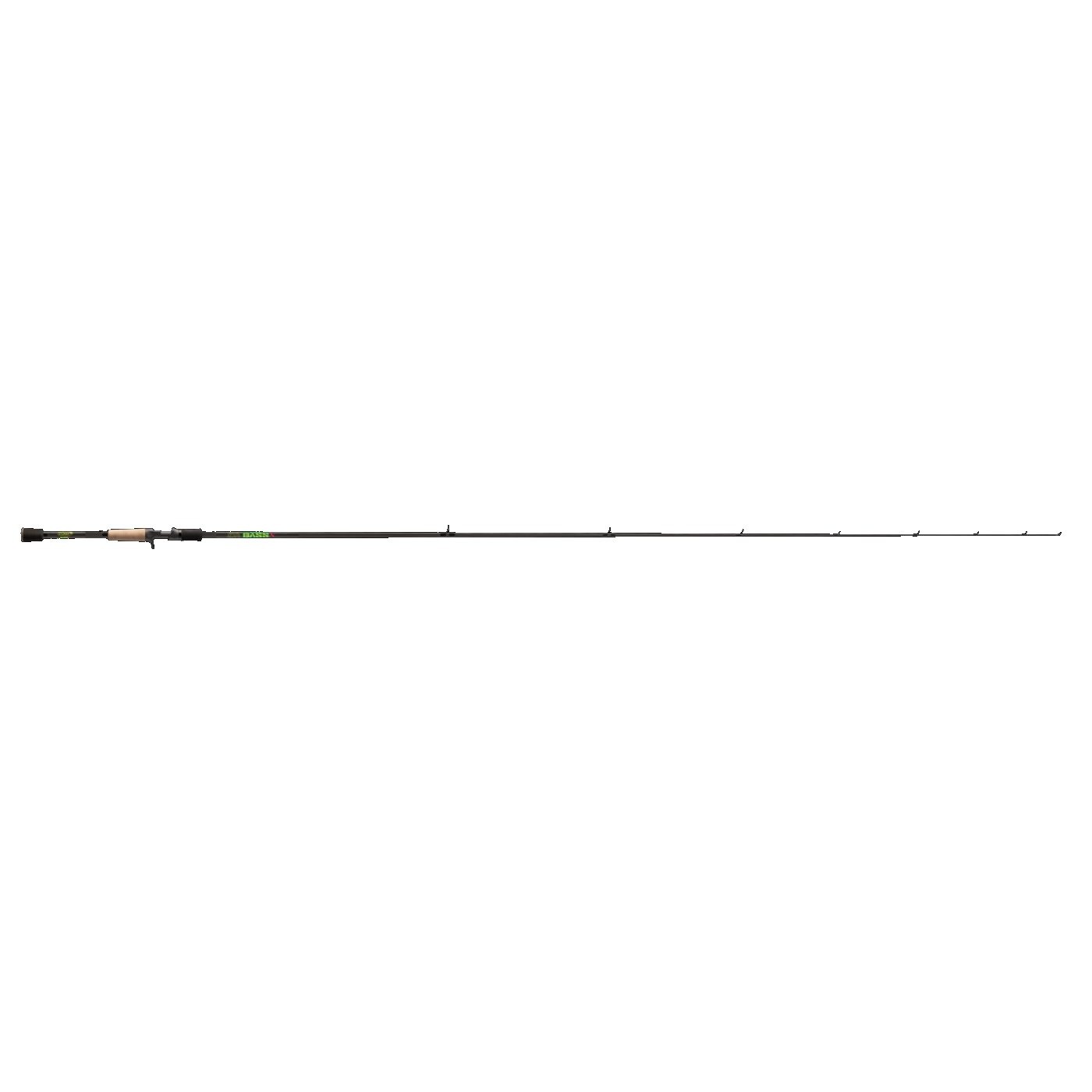
Bass X casting series
Checkout happens on the retailer’s website.
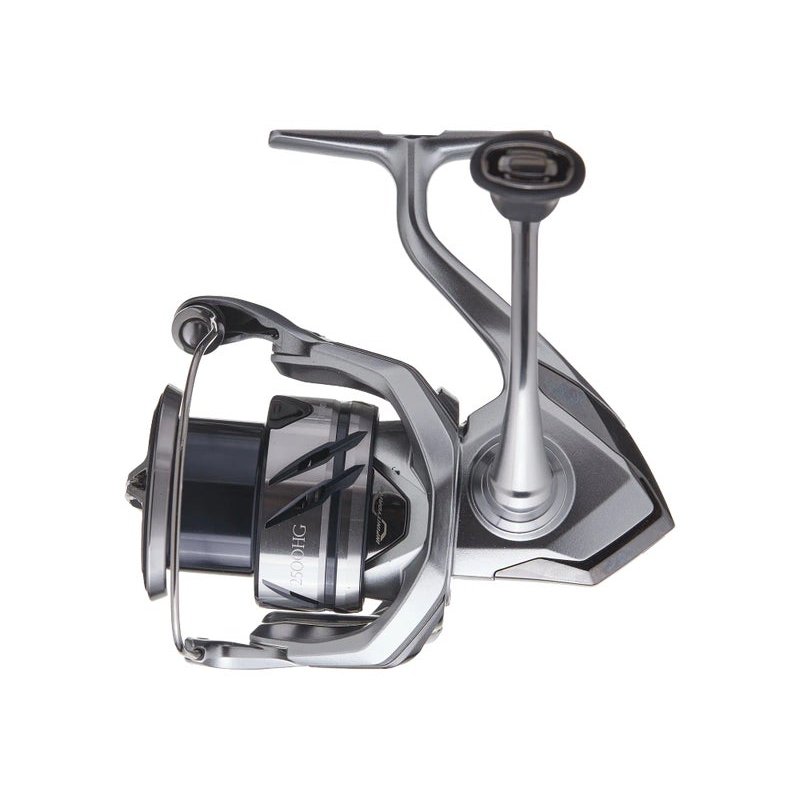
Spinning reel
Checkout happens on the retailer’s website.
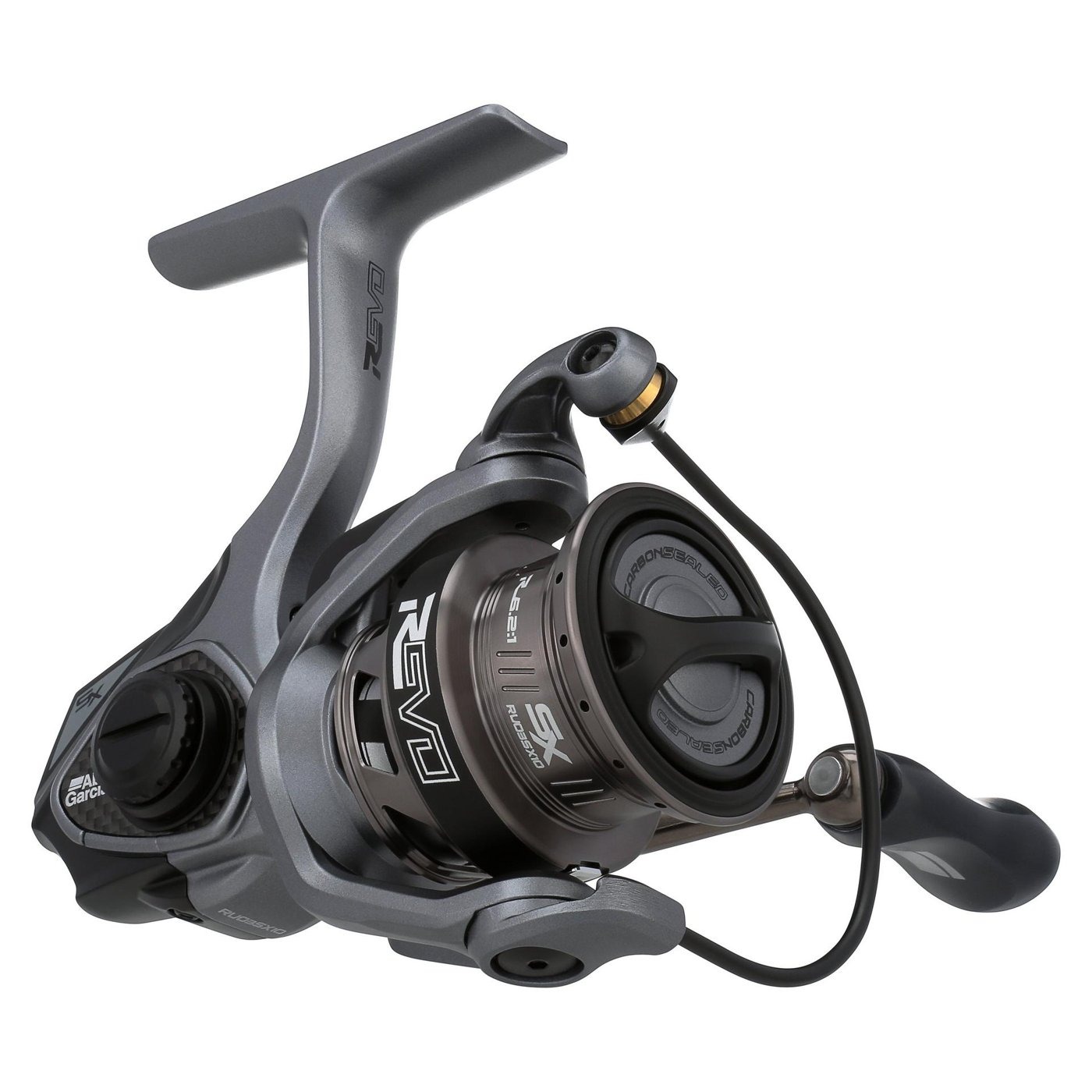
REVO3 SX SP
Checkout happens on the retailer’s website.
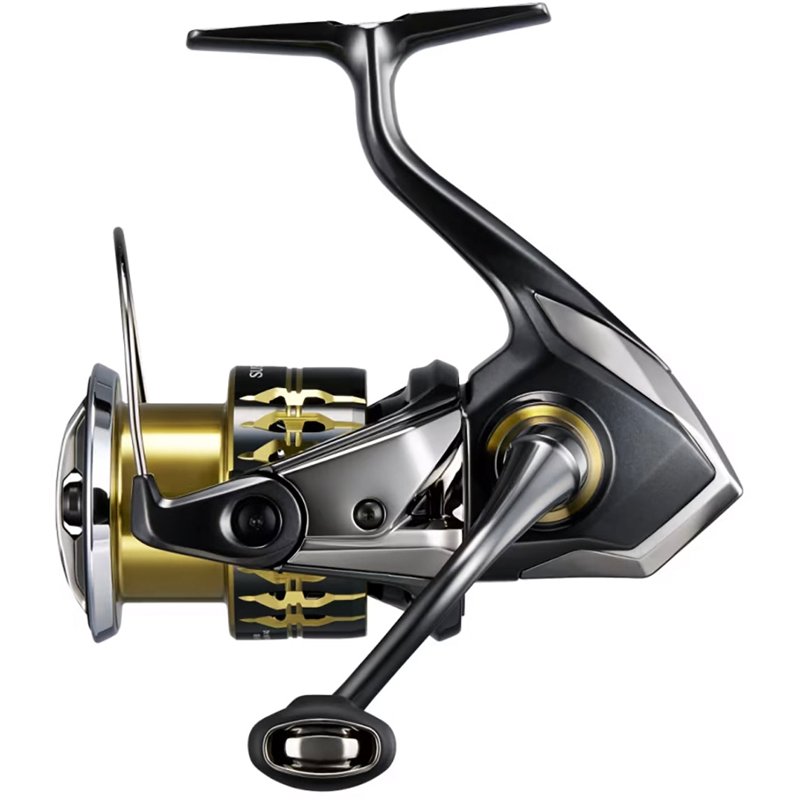
Spinning reel
Checkout happens on the retailer’s website.
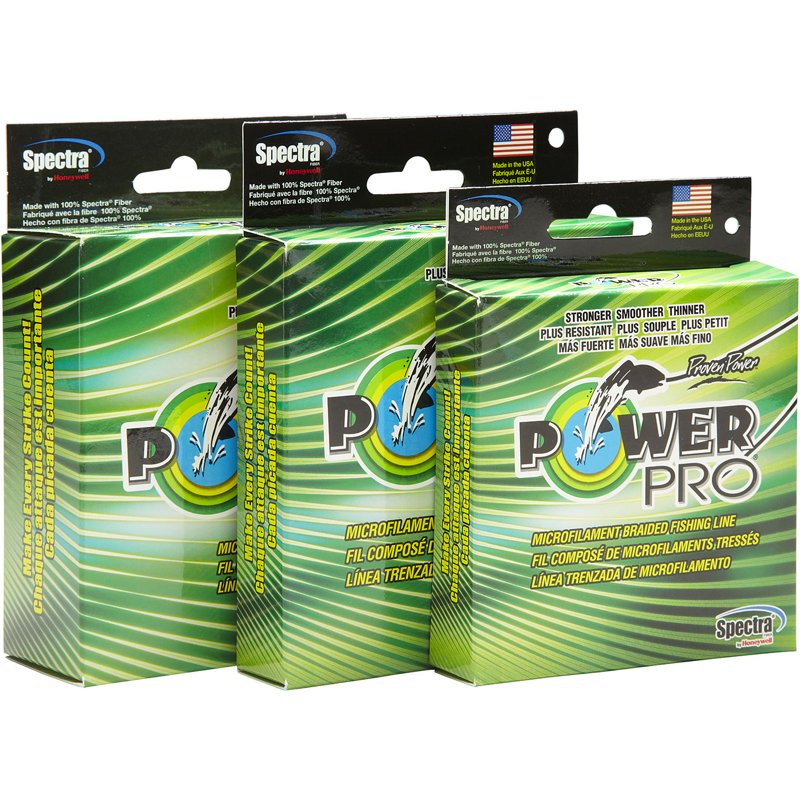
Braided line · 300 yd
Checkout happens on the retailer’s website.
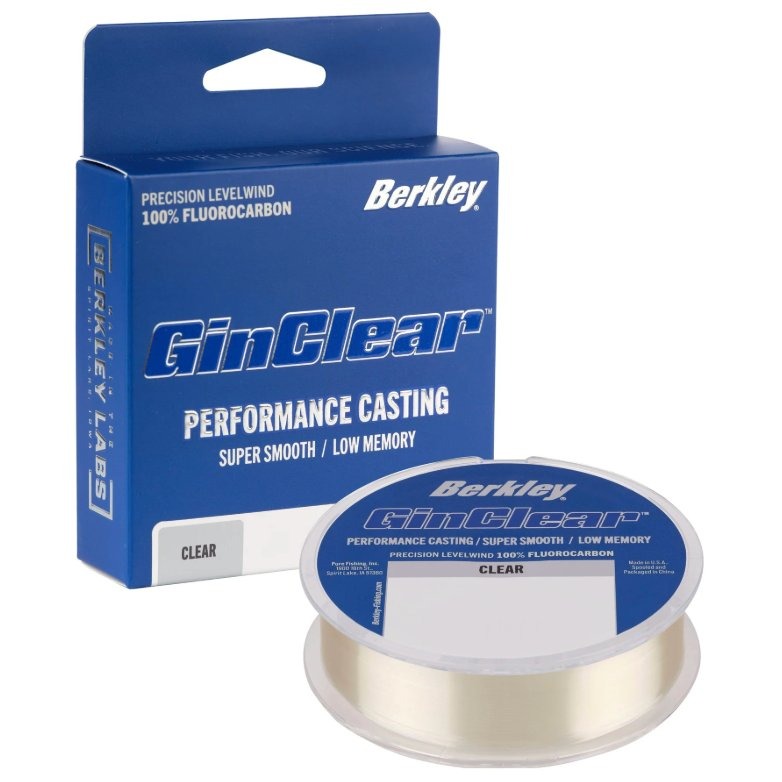
200 yd filler spool
Checkout happens on the retailer’s website.
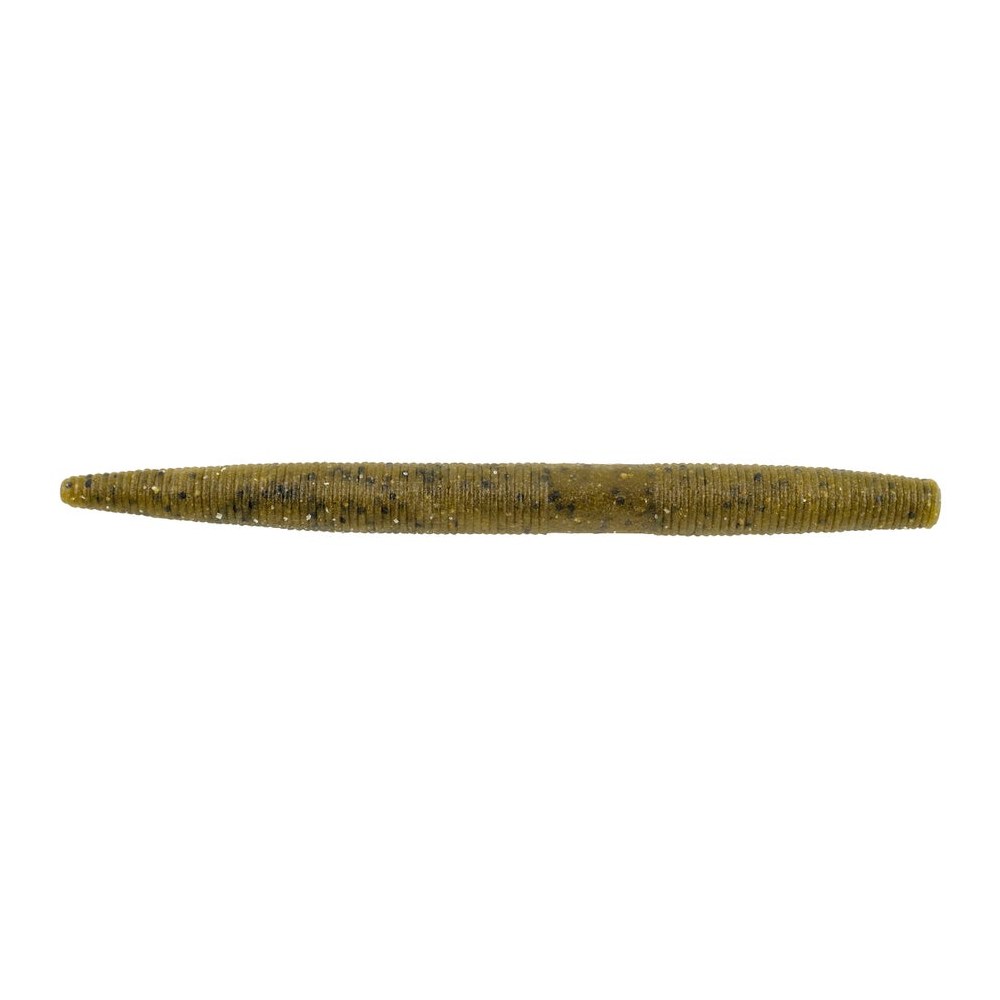
Stick worm
Checkout happens on the retailer’s website.
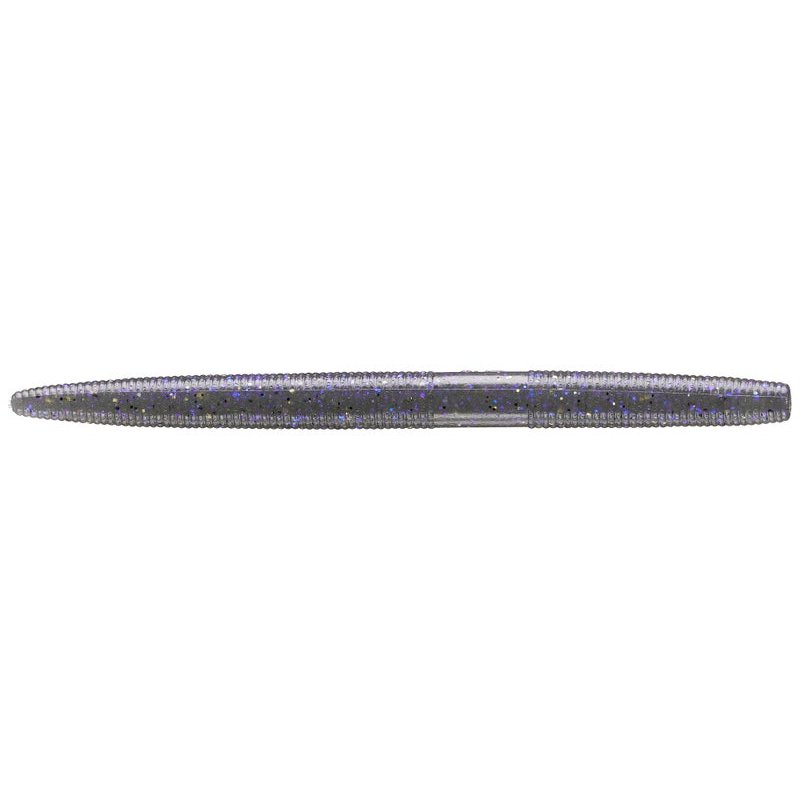
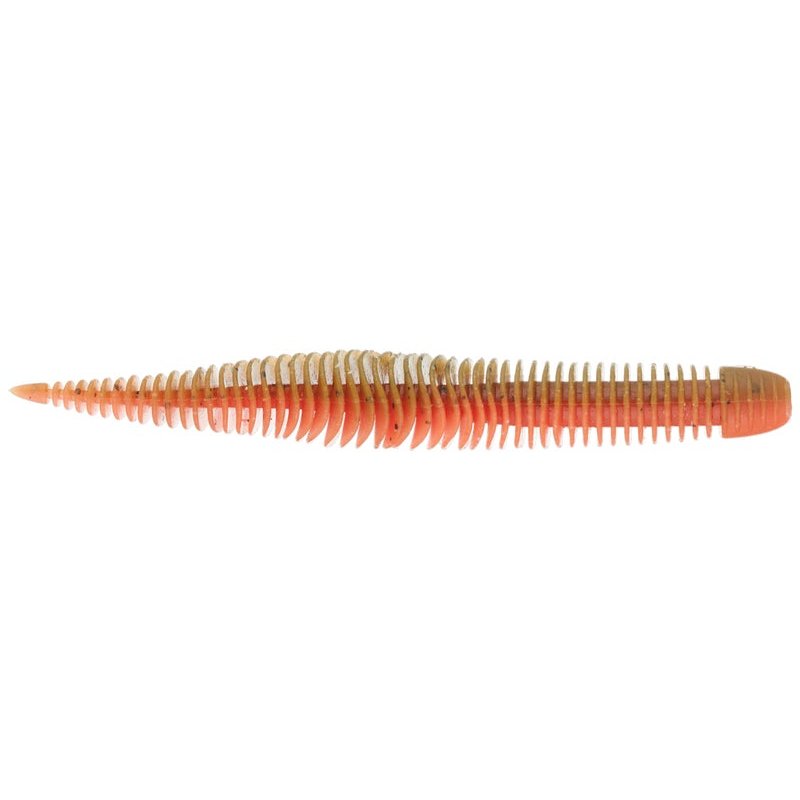
Soft stick worm
Checkout happens on the retailer’s website.
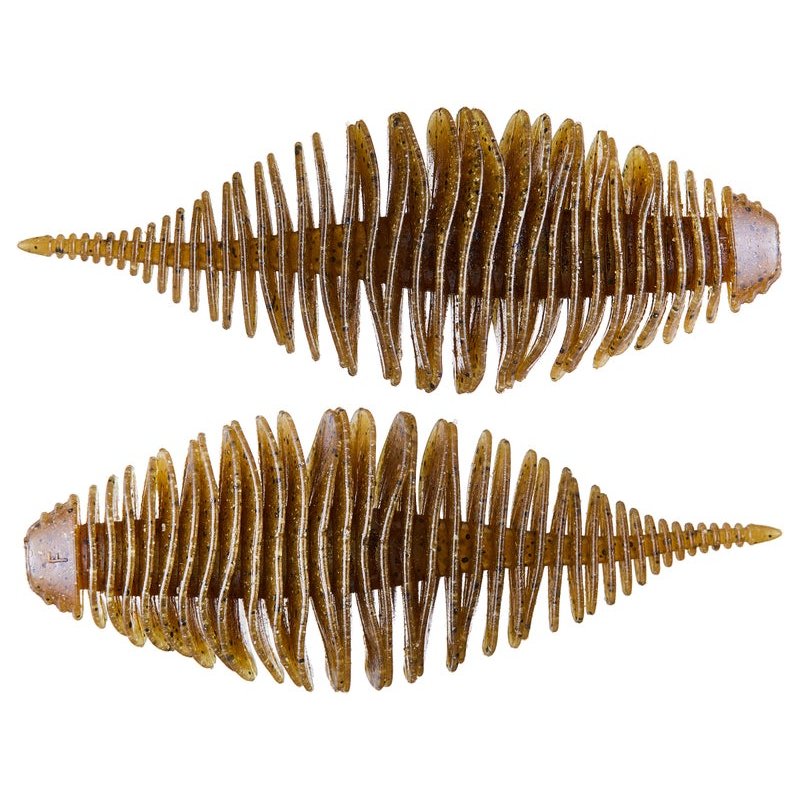
Soft creature bait
Checkout happens on the retailer’s website.
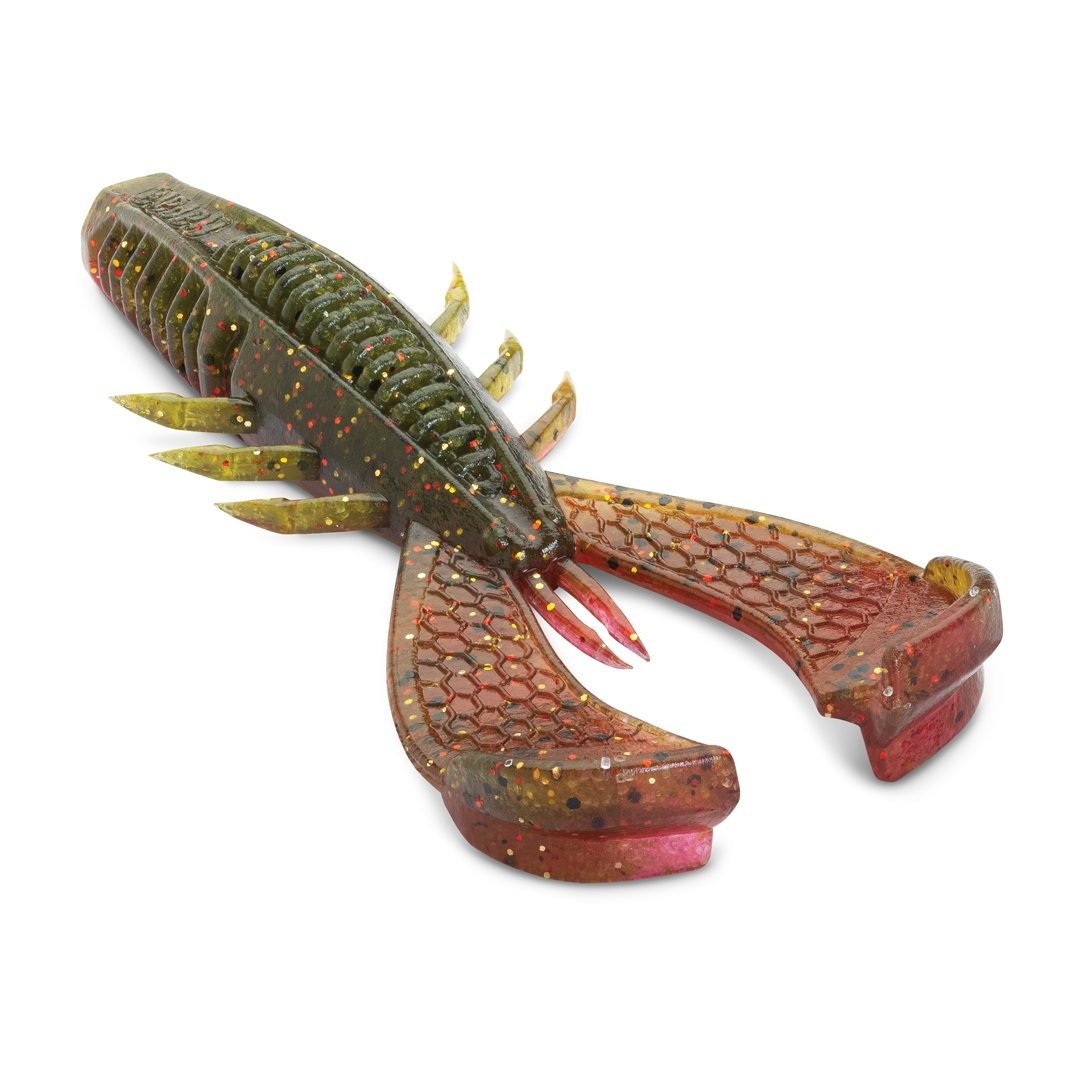
3.5 in
Checkout happens on the retailer’s website.
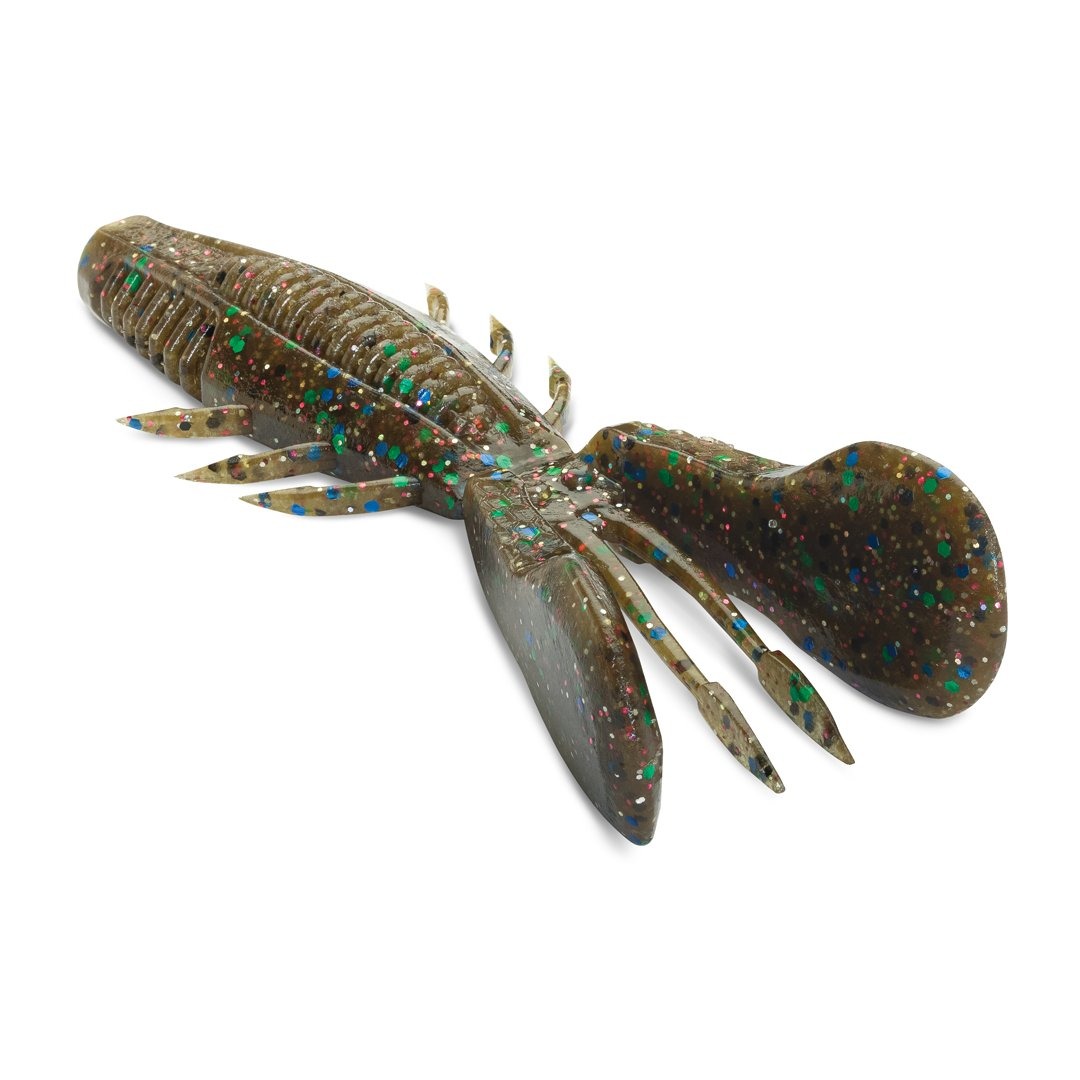
4 in
Checkout happens on the retailer’s website.
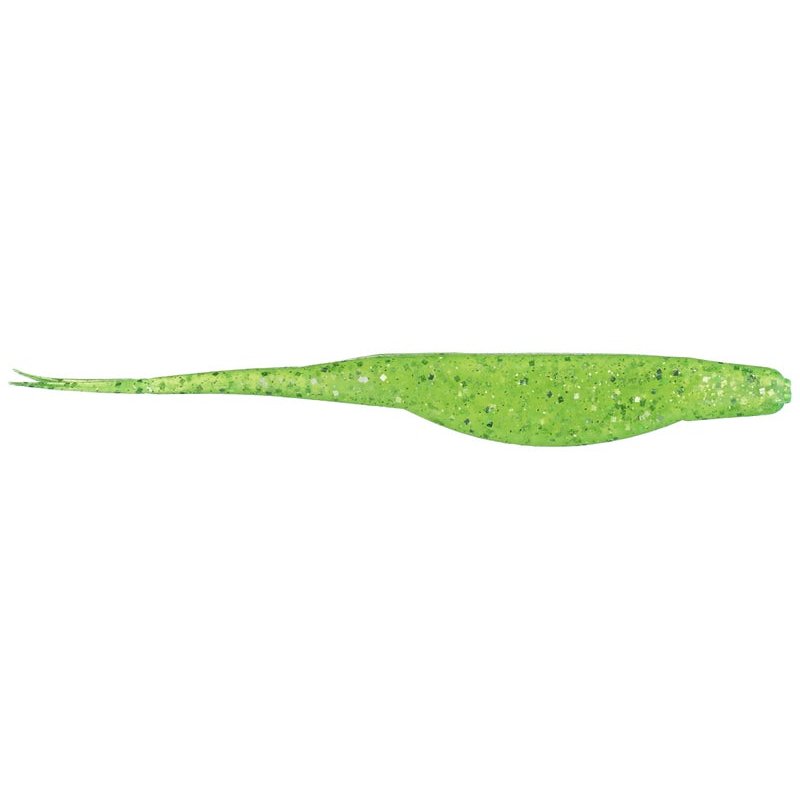
Soft jerkbait
Checkout happens on the retailer’s website.
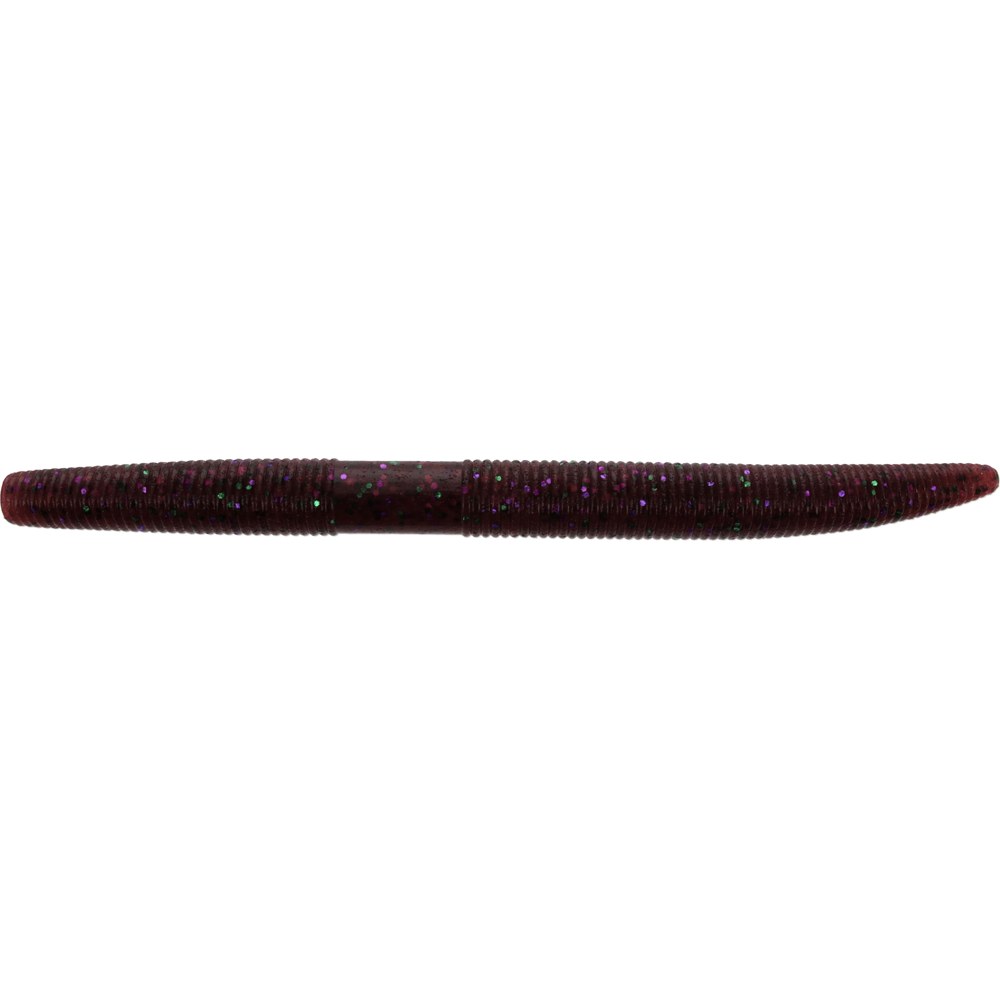
7 in · 5 pack
Checkout happens on the retailer’s website.
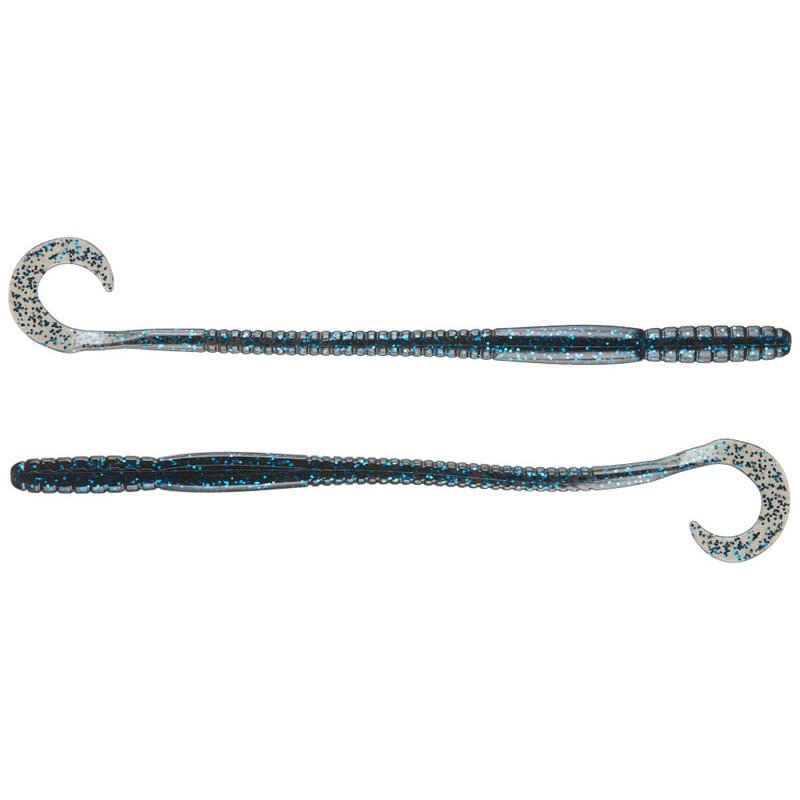
Curl tail worm
Checkout happens on the retailer’s website.
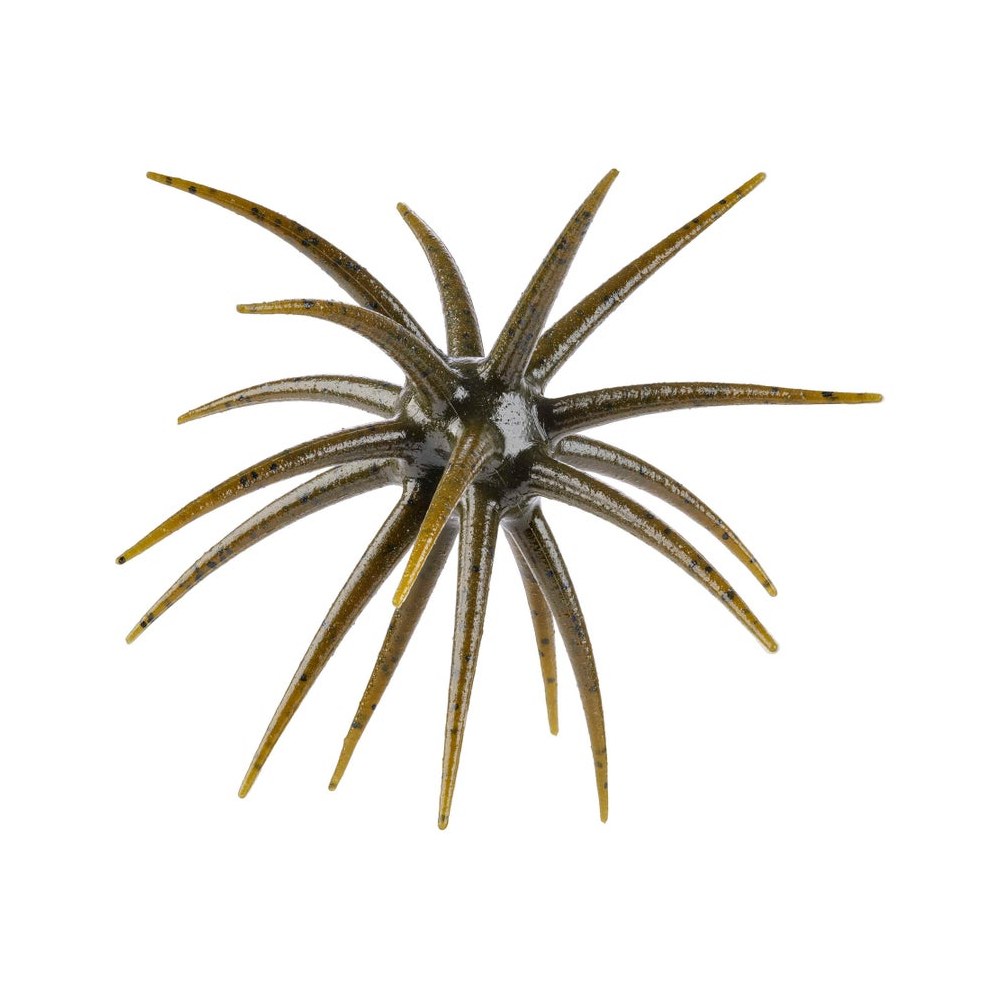
Creature bait
Checkout happens on the retailer’s website.
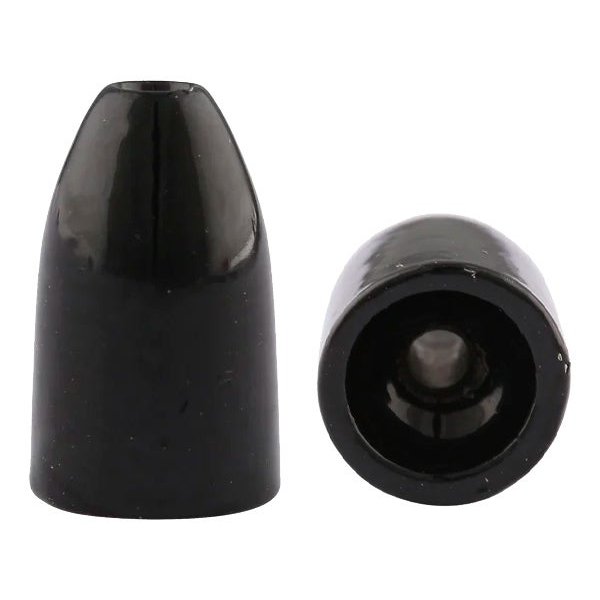
Tungsten worm weight
Checkout happens on the retailer’s website.