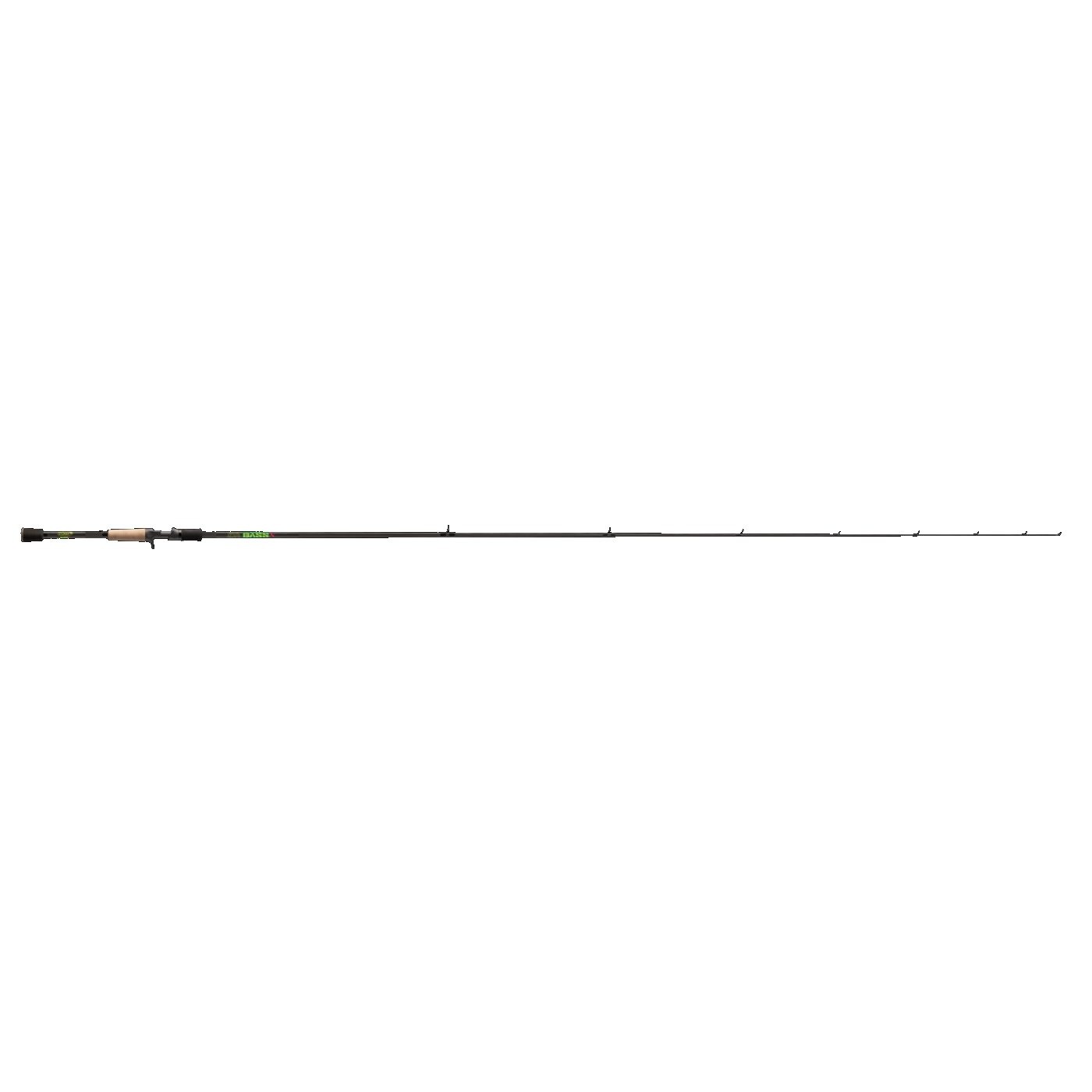
Rod
St. Croix Bass X Casting RodBass X casting series
Buy at Bass Pro Shops
Checkout happens on the retailer’s website.
Technique guide
Cover water with crankbaits, spinnerbaits, bladed jigs and other steady-retrieve lures.
General fishing guidance; TJ’s personal approach, gear and technique-specific photos will be added after his review.
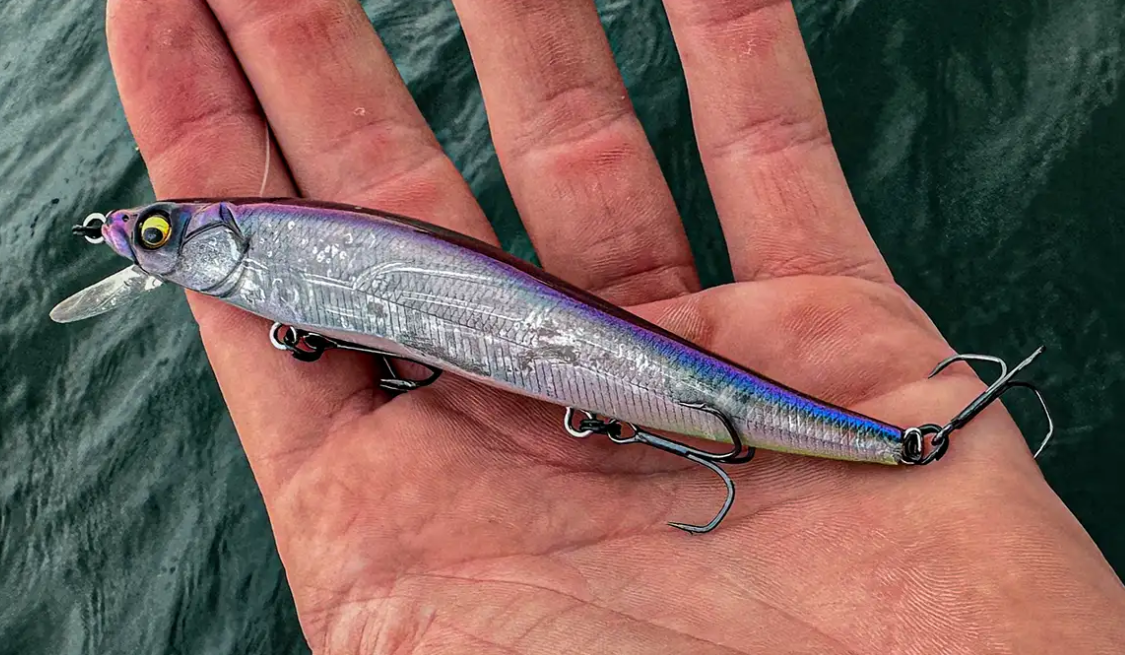
Where it fits
No technique works every time, and catches are never guaranteed.
How to fish it
Estimate how deep the target zone is and choose a lure that can run near it. A diving crankbait reaches a different zone than a shallow spinnerbait or bladed jig.
Work a range of angles before moving. Run casts parallel to an edge when possible so the lure stays in the target zone longer.
Retrieve fast enough for the lure to work correctly. Feel for the blade, wobble or vibration and notice when that rhythm changes.
Try a brief pause, acceleration or contact with appropriate cover. Let a crankbait deflect off rock carefully; avoid driving treble hooks into heavy vegetation.
When the rod loads, keep reeling and sweep into the fish. With treble hooks, steady pressure often matters more than a hard snap; match your response to the lure and tackle.
Note the productive depth, retrieve and cover type. Check line and hooks after contacting cover and repeat that pattern in similar places.
The gear you need
A starting checklist: rod and reel suited to the lure, line, crankbait, spinnerbait, bladed jig or lipless crankbait, trailer when appropriate. Match tackle to the bait, conditions and local regulations.
Rods, reels, line, baits and weights TJ picked for this technique. Pick one from each group.
Bass X casting series
Checkout happens on the retailer’s website.
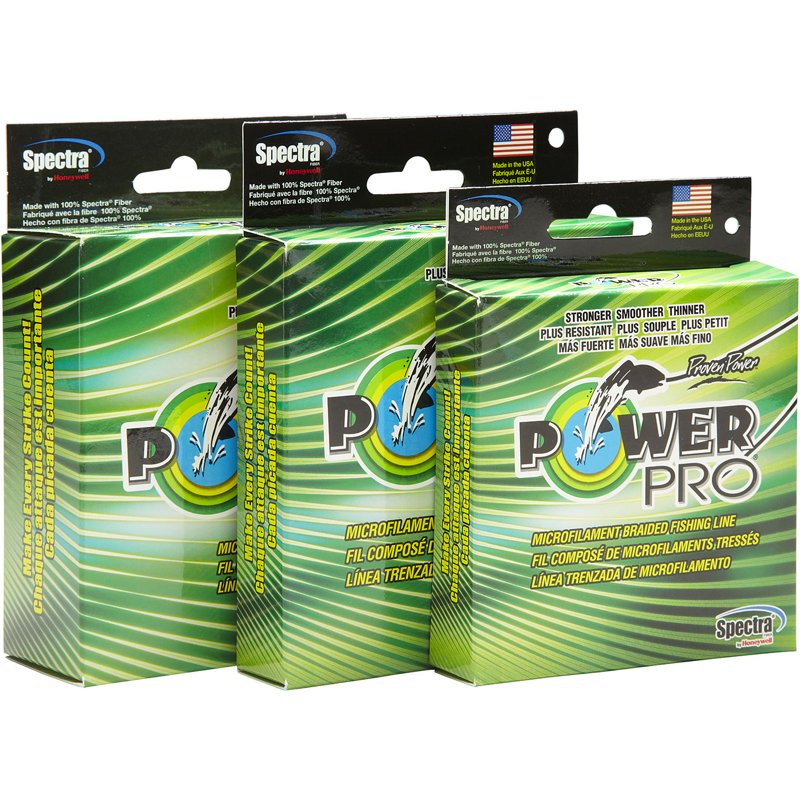
Braided line · 300 yd
Checkout happens on the retailer’s website.
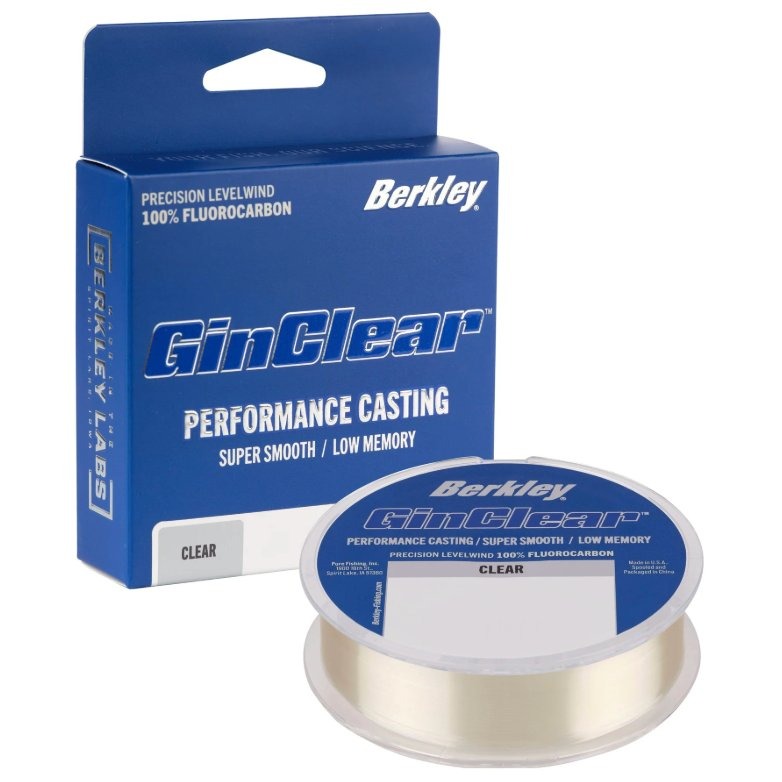
200 yd filler spool
Checkout happens on the retailer’s website.
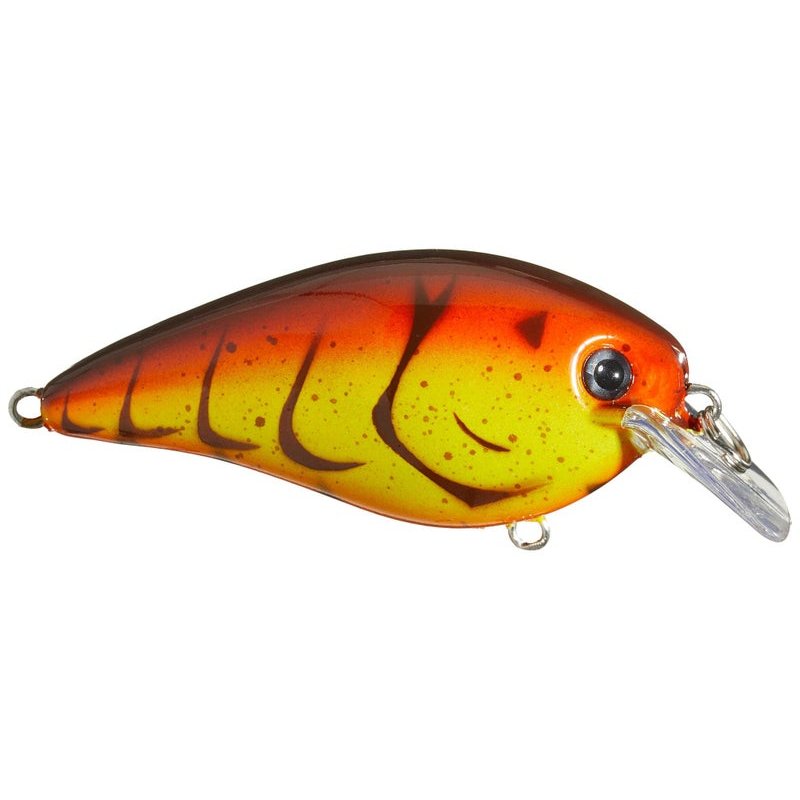
Squarebill crankbait
Checkout happens on the retailer’s website.
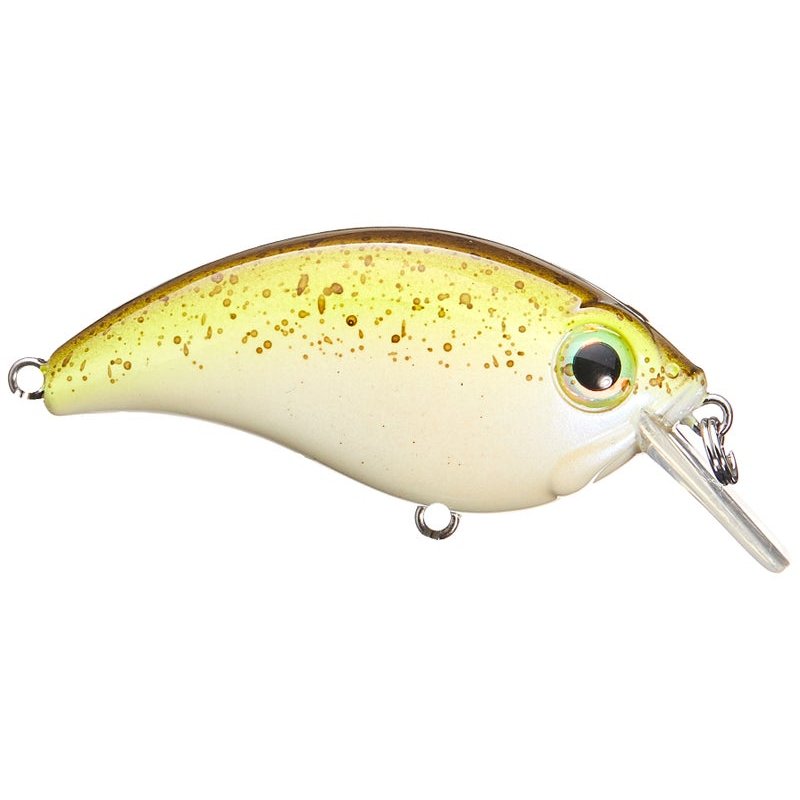
Squarebill crankbait
Checkout happens on the retailer’s website.
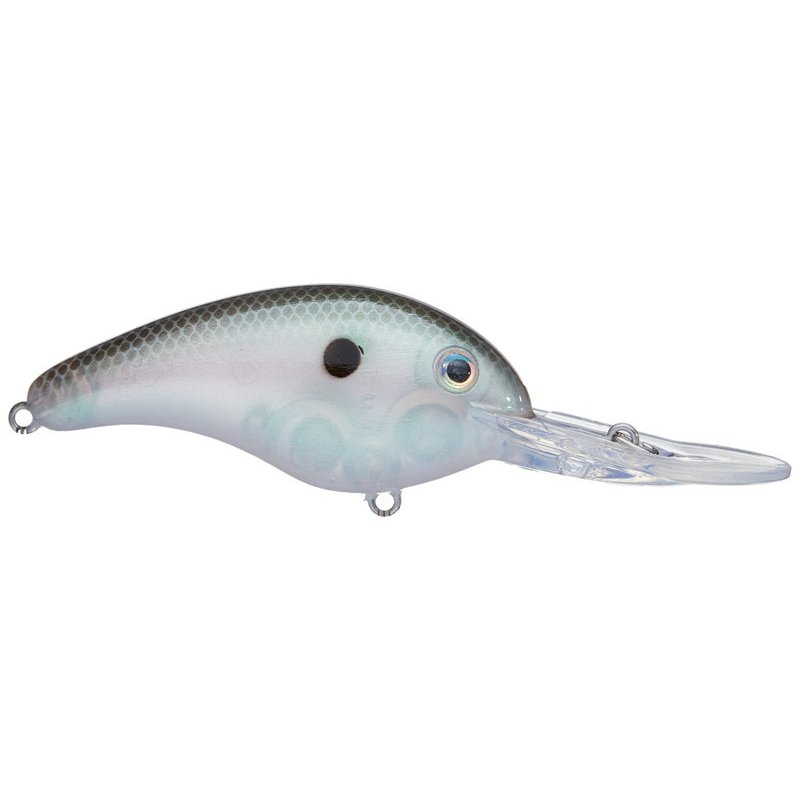
Deep diving crankbait
Checkout happens on the retailer’s website.
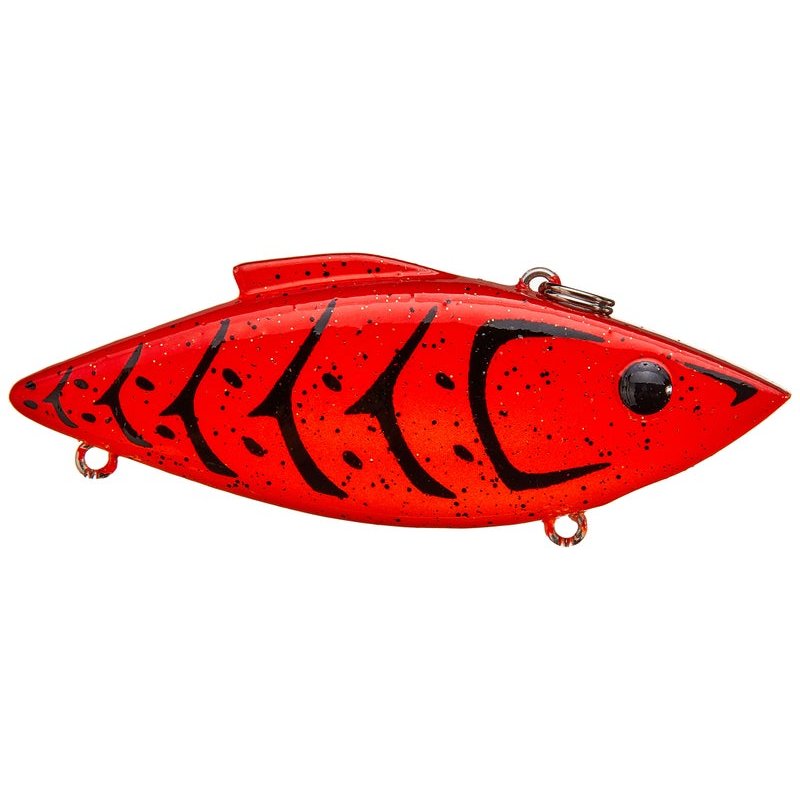
Lipless crankbait
Checkout happens on the retailer’s website.
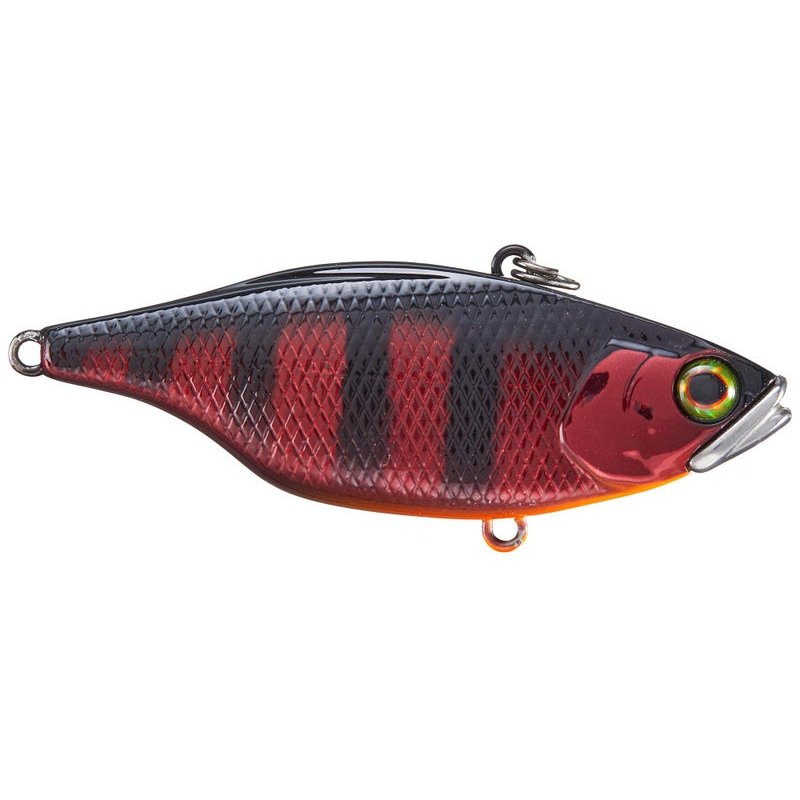
Lipless crankbait
Checkout happens on the retailer’s website.
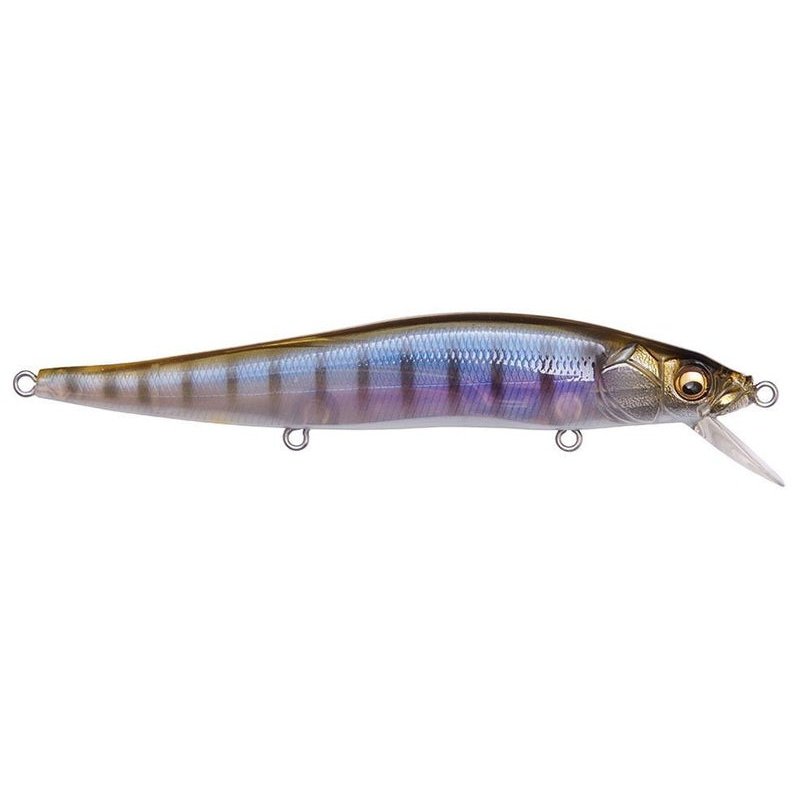
Jerkbait
Checkout happens on the retailer’s website.
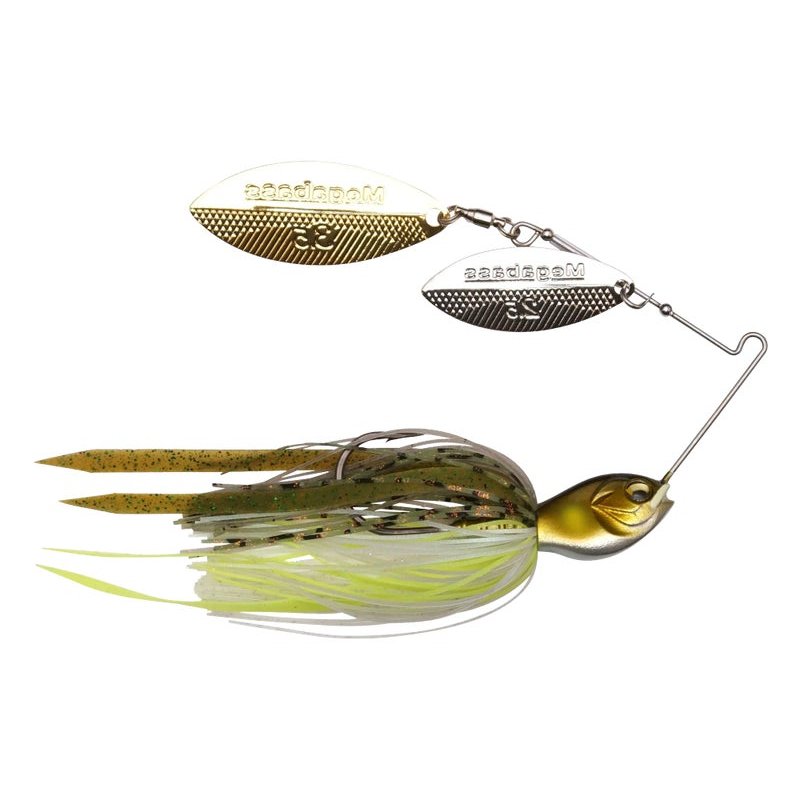
Spinnerbait
Checkout happens on the retailer’s website.