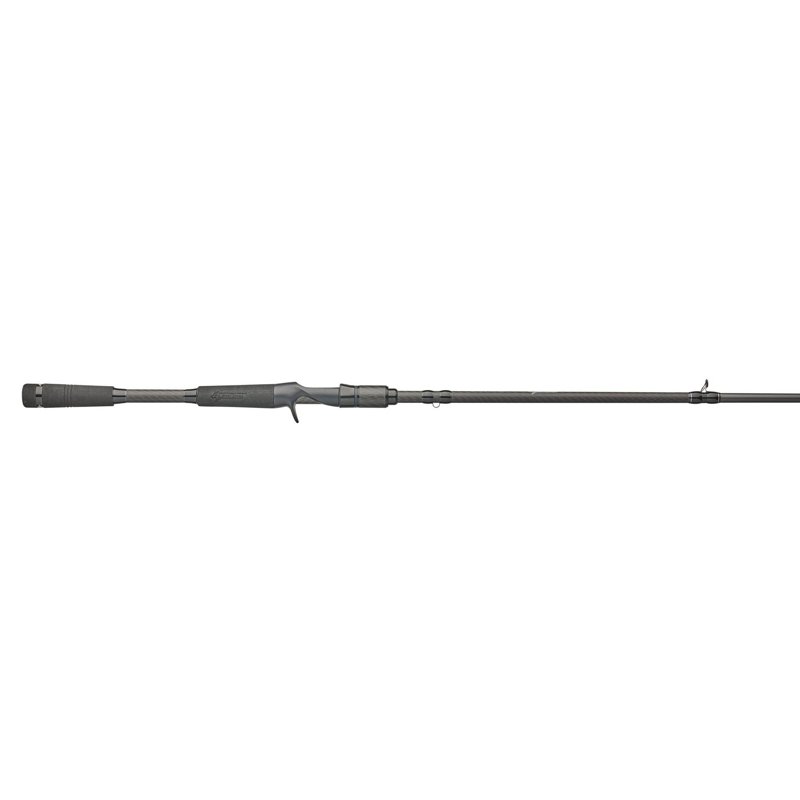
Rod
Abu Garcia Beast Casting RodBig bait casting rod
Buy at Abu Garcia
Checkout happens on the retailer’s website.
Technique guide
Present larger fish-shaped baits with equipment rated for their weight and hooks.
General fishing guidance; TJ’s personal approach, gear and technique-specific photos will be added after his review.
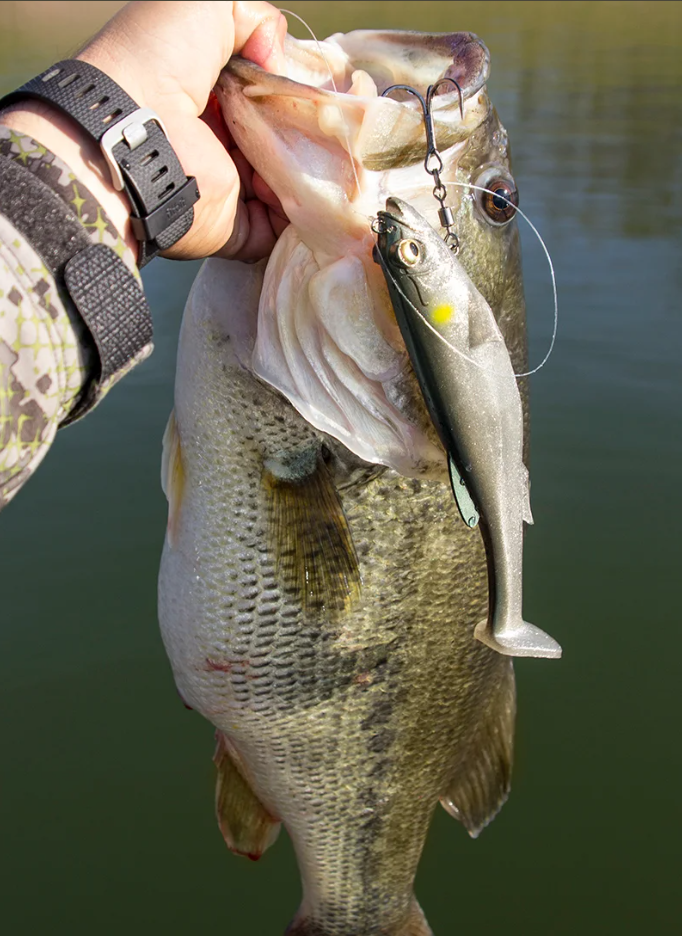
Where it fits
No technique works every time, and catches are never guaranteed.
How to fish it
Read the bait’s actual weight and the rod’s lure-weight range. Match the reel, line, hooks and leader where needed; do not cast a bait heavier than the rod can safely handle.
Rig a soft bait straight or inspect a hard bait’s joints and hooks. Test it close to the boat or shore to see the speed at which it swims properly.
Make a smooth lob rather than a sharp snap. Watch for nearby people, overhead obstacles and a swinging bait before and after the cast.
Retrieve through the depth and path you want to cover. Start steady, then try a short pause or speed change to see whether a following fish reacts.
Keep the bait working if a fish follows; avoid yanking it away at the last moment. On a strike, take up slack and set the hook in a way that suits the hook design.
Use a suitable net and tools for large, exposed hooks. Control the fish and lure separately, minimize air exposure and release the fish carefully.
The gear you need
A starting checklist: rod rated for the lure’s weight, compatible reel and line, swimbait, appropriate hook or harness, landing net. Match tackle to the bait, conditions and local regulations.
Rods, reels, line, baits and weights TJ picked for this technique. Pick one from each group.
Big bait casting rod
Checkout happens on the retailer’s website.
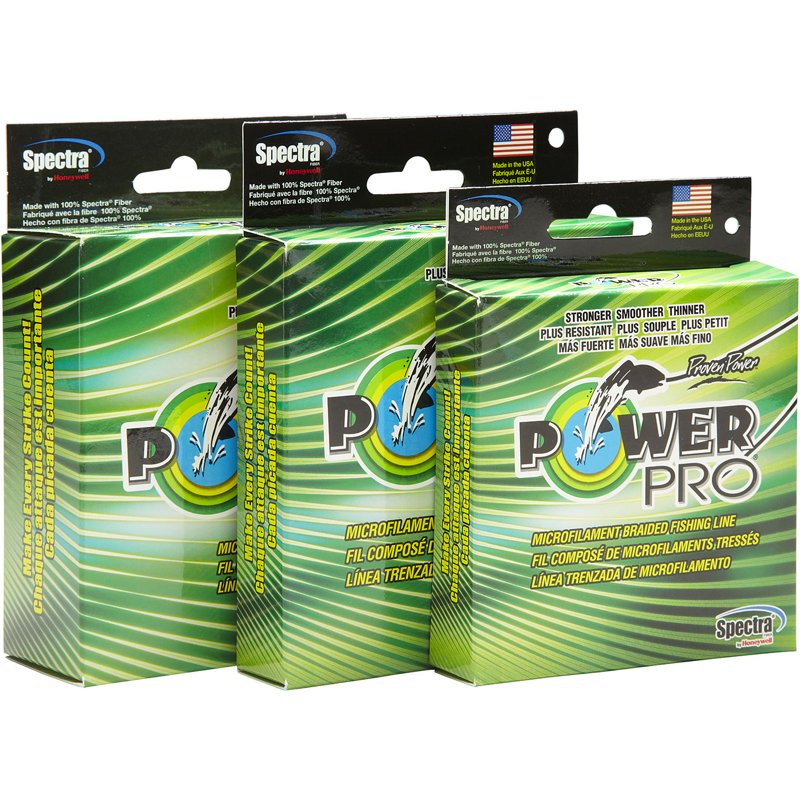
Braided line · 300 yd
Checkout happens on the retailer’s website.
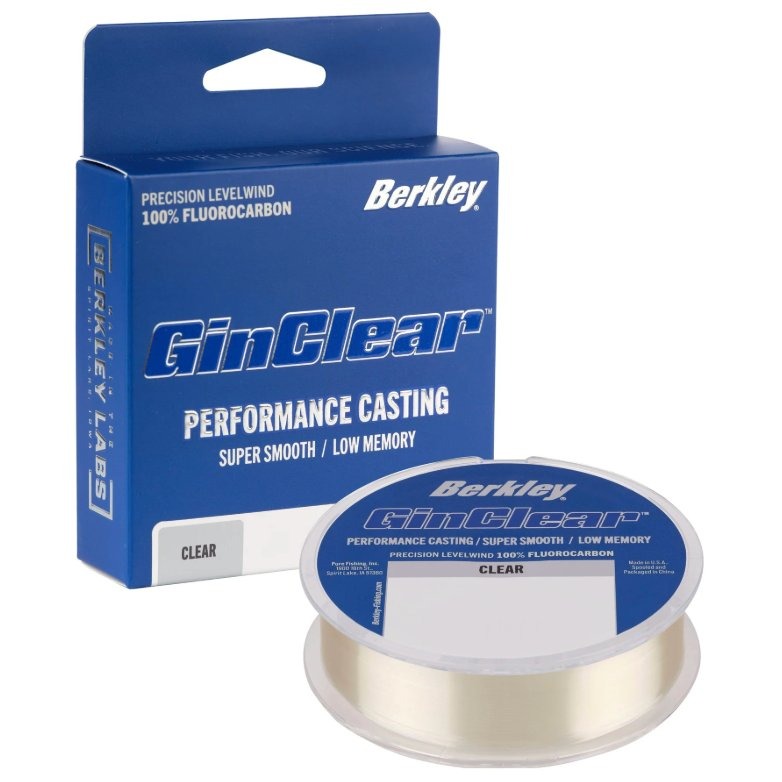
200 yd filler spool
Checkout happens on the retailer’s website.
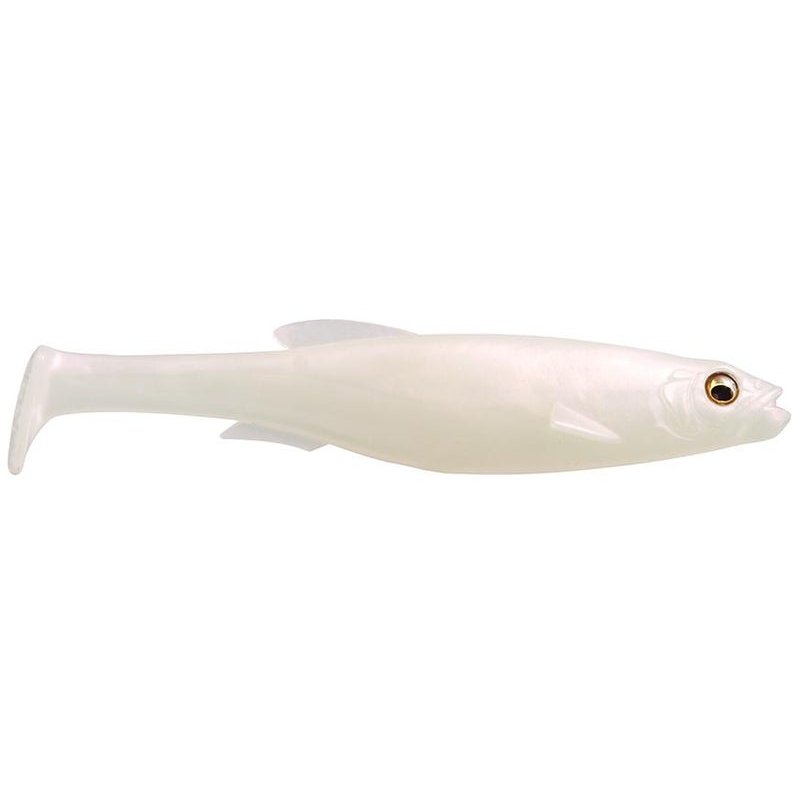
Soft swimbait · 2 pack
Checkout happens on the retailer’s website.
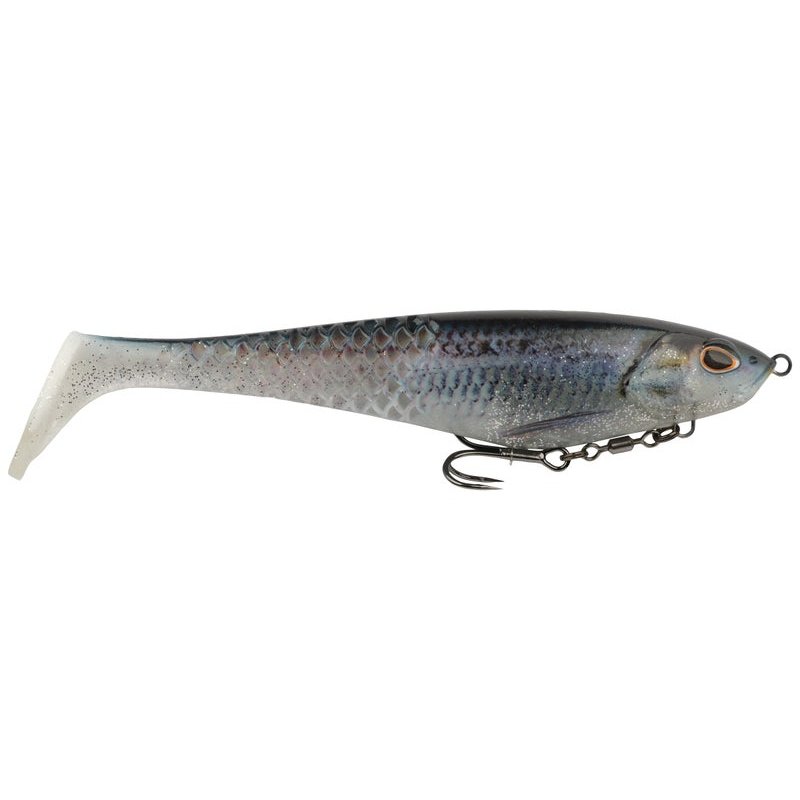
Jointed swimbait
Checkout happens on the retailer’s website.
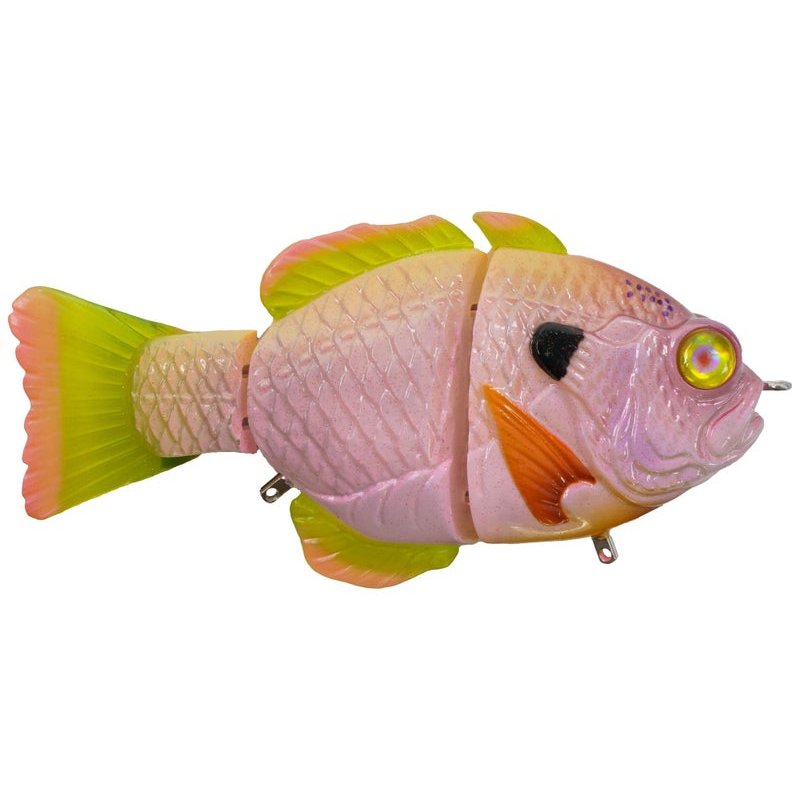
Glide / gill swimbait
Checkout happens on the retailer’s website.
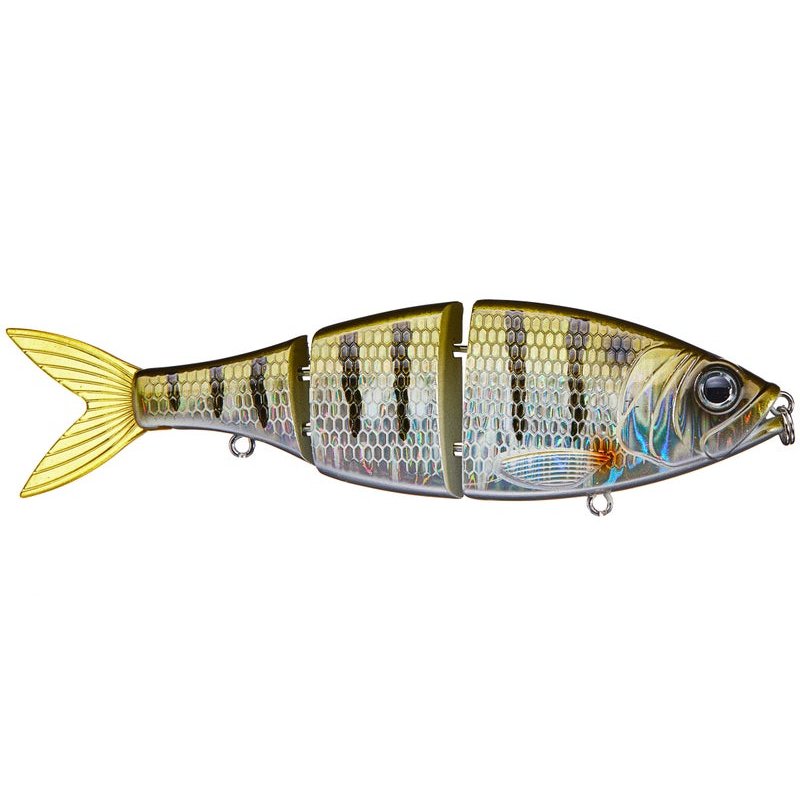
Jointed swimbait
Checkout happens on the retailer’s website.